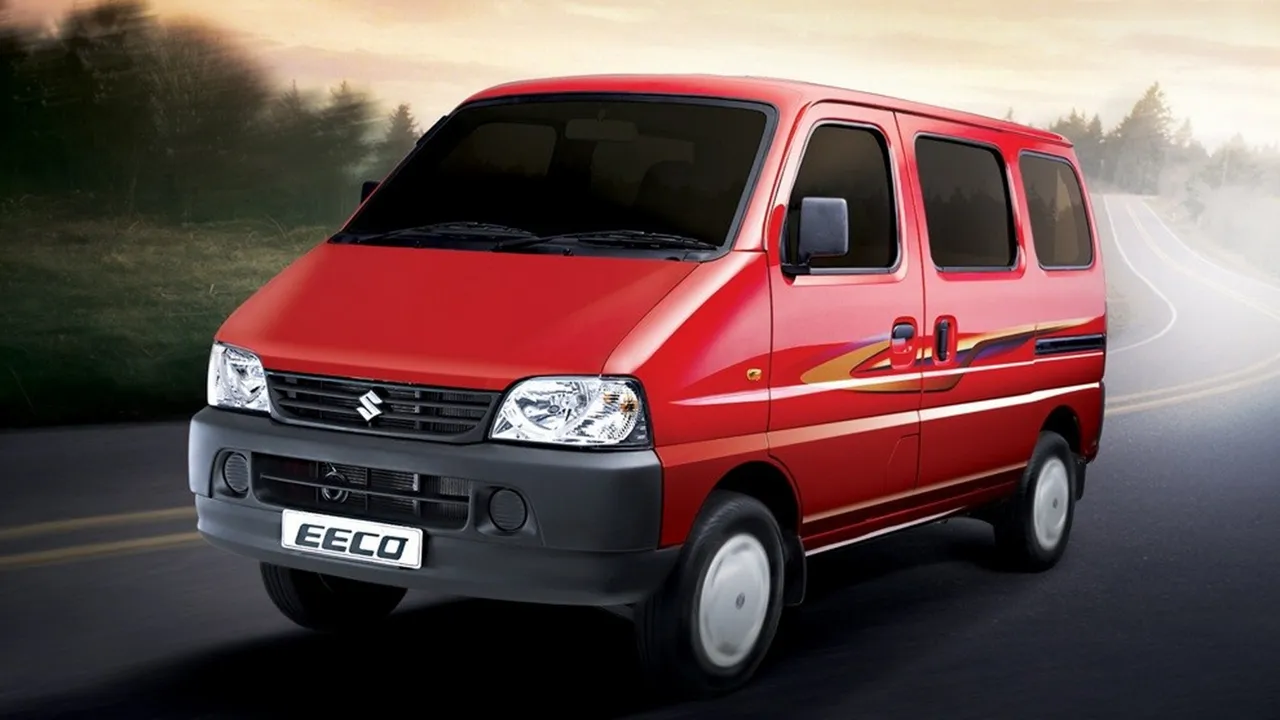
In a recent development that is expected to impact both consumers and businesses, Maruti Suzuki has announced that the prices of two of its popular vehicles, the Maruti Eeco and the Super Carry, will see an increase. This move comes amid a challenging economic environment, where rising costs of raw materials, logistical challenges, and inflationary pressures are pushing automakers to revise their pricing structures. As two of the most relied-upon vehicles in the commercial vehicle segment, this price hike has the potential to affect businesses across various sectors. But what does this price increase mean for both consumers and the overall market?
Why Are the Prices of Maruti Eeco and Super Carry Going Up?
The primary reasons behind the price surge for the Maruti Eeco and Super Carry can be traced to several key factors that are currently shaping the automotive landscape in India.
1. Rising Raw Material Costs
One of the most significant contributors to the price increase is the surge in raw material costs. The prices of steel, aluminum, rubber, and other essential components have seen a steady rise, driven by both global supply chain disruptions and inflationary pressures. As these materials form the backbone of vehicle manufacturing, the increased costs directly impact the final price of the vehicles. For automakers like Maruti Suzuki, maintaining profitability while delivering quality products means adjusting prices to reflect these rising input costs.
2. Regulatory Compliance and Emission Norms
India has implemented stricter emission norms, particularly the shift to Bharat Stage VI (BS-VI) standards, which require manufacturers to upgrade their vehicles with more advanced technology. The introduction of BS-VI engines in vehicles like the Maruti Eeco and Super Carry has increased the cost of production. To meet these updated regulations, manufacturers must invest in better engine technology, improved fuel efficiency, and enhanced safety features, all of which contribute to the overall cost of production.
3. Inflation and Rising Operational Costs
The Indian economy has been facing inflationary pressures across various sectors. The cost of labor, fuel, and logistics has risen, which affects the operational expenses of manufacturers. These rising costs are inevitably passed on to consumers in the form of higher vehicle prices. As Maruti Suzuki continues to adapt to these economic shifts, it has found it necessary to adjust the pricing of its popular models, including the Eeco and Super Carry.
4. Supply Chain Disruptions
Global supply chain disruptions, particularly in the automotive industry, have led to shortages of essential components like semiconductor chips. These shortages have resulted in production delays and higher costs for vehicle manufacturers. For a company like Maruti Suzuki, which operates on a global scale, these disruptions have made it difficult to maintain production levels without incurring additional costs. As a result, prices have had to be adjusted to reflect these challenges.
How Will the Price Hike Affect Consumers and Businesses?
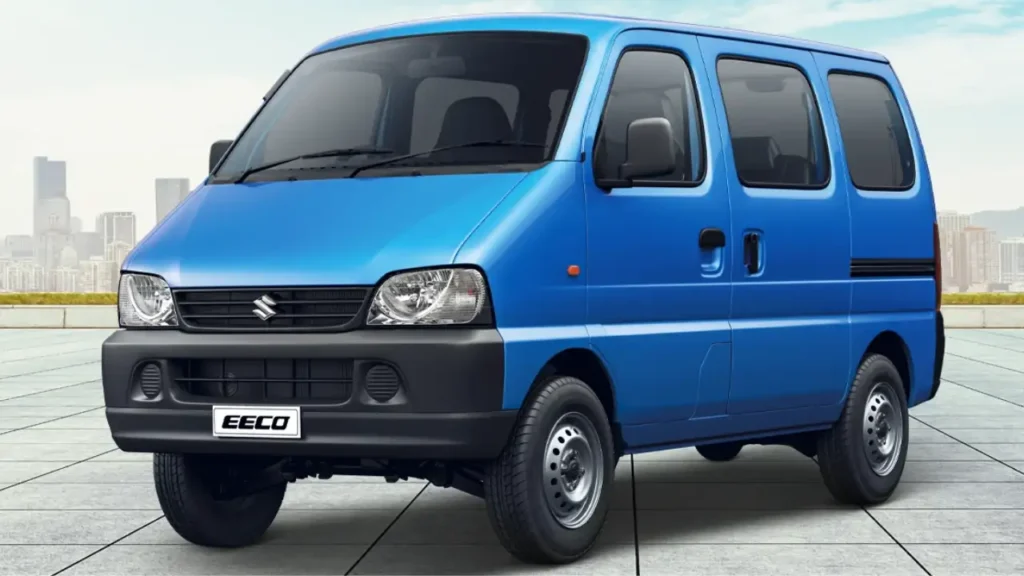
The Maruti Eeco and Super Carry are both highly popular in the commercial vehicle segment due to their affordability, reliability, and practicality. However, the price revision could lead to challenges for both small businesses and consumers who rely on these vehicles for day-to-day operations.
1. Impact on Small Business Owners
For small and medium-sized business owners who use the Maruti Eeco and Super Carry for last-mile delivery, transportation, or as part of their commercial fleet, the price hike could affect their purchasing decisions. While both vehicles are known for being cost-effective and reliable, the increase in pricing could create an additional financial burden. For fleet operators, this price surge may result in higher upfront costs, making it more challenging to expand or replace existing vehicles.
However, the long-term value of these vehicles remains intact. Both the Eeco and Super Carry are known for their fuel efficiency and low maintenance costs, which help businesses save money over time. Additionally, the operational savings offered by these models could offset the higher initial costs, especially in sectors that require frequent and cost-effective transportation.
2. Financing Challenges
With the price increase, financing options for both the Eeco and Super Carry could become more expensive for consumers. Higher vehicle prices could mean larger loans, higher monthly installments, and more interest payments for those looking to purchase these vehicles through financing options. Small businesses with limited capital may feel the pinch, as the increased financing cost could stretch their budgets and affect cash flow management.
3. Consumer Confidence in Maruti Suzuki
Despite the price increase, Maruti Suzuki’s strong brand reputation and commitment to providing value for money continue to make the Eeco and Super Carry attractive choices for many consumers. Maruti’s extensive after-sales service network and the reliability of its vehicles help maintain customer loyalty. Moreover, the company’s ability to offer affordable and fuel-efficient options will likely continue to keep it at the forefront of the Indian commercial vehicle market.
The Future of the Commercial Vehicle Market
The price increase for the Maruti Eeco and Super Carry is indicative of broader trends within the Indian automotive market. With the growing demand for electric vehicles (EVs) and more stringent environmental regulations, the commercial vehicle segment is undergoing significant changes. While the price hikes may put pressure on businesses in the short term, the long-term benefits of investing in efficient, reliable vehicles like the Eeco and Super Carry remain substantial.
As the market continues to evolve, manufacturers will need to balance pricing with technological innovation to stay competitive. Maruti Suzuki, with its strong presence in the commercial vehicle sector, is likely to continue adapting its product lineup to meet changing consumer needs and market conditions.
Conclusion
The price revision for the Maruti Eeco and Super Carry reflects the broader economic challenges that the automotive industry is currently facing. While the price increase may pose short-term challenges for businesses and consumers, the long-term benefits of owning a Maruti commercial vehicle, such as fuel efficiency, reliability, and low maintenance costs, continue to make these models a solid investment. As the commercial vehicle market continues to evolve, the ability of companies like Maruti Suzuki to adapt to changing market dynamics will ensure their continued success in meeting the needs of Indian businesses.