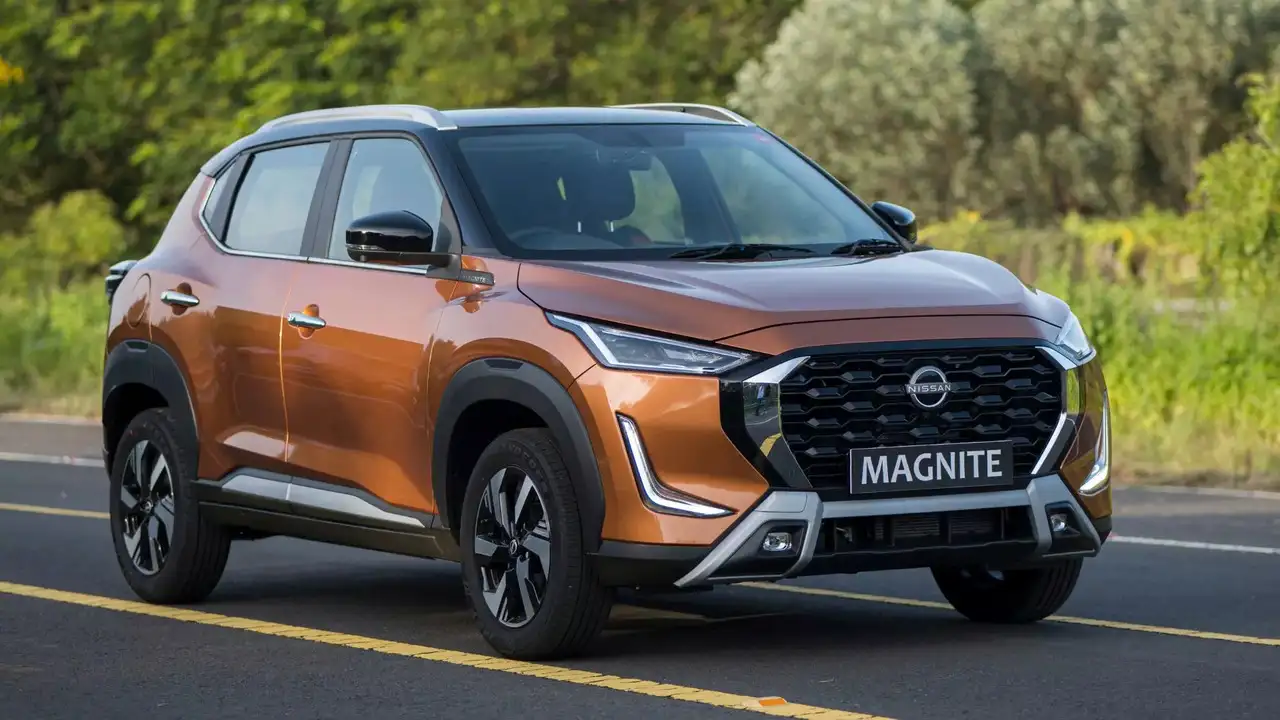
Nissan, a brand that has made its mark globally with a strong presence in the automotive market, is facing increasing difficulties in competing in India’s highly competitive compact SUV segment. Once seen as a promising contender, Nissan’s struggles in the segment have raised questions about its strategy and the brand’s ability to tap into one of the fastest-growing segments in the Indian automobile market. In this article, we’ll explore the reasons behind Nissan’s struggles in the compact SUV segment and what the brand can do to regain its position.
1. Increased Competition from Established Players
The compact SUV segment in India has become one of the most fiercely contested in recent years, with a growing number of automakers vying for a share of the market. Brands like Hyundai, Tata, Kia, and Maruti Suzuki have gained substantial traction in the segment with models such as the Hyundai Creta, Kia Seltos, Tata Nexon, and Maruti Suzuki Brezza. These vehicles not only offer competitive pricing but also come with modern features, a stylish design, and strong brand recognition.
Nissan’s struggle to make a significant impact in the compact SUV market can largely be attributed to the intense competition from these established players. While Nissan’s compact SUV, the Magnite, was initially seen as a potential game-changer with its aggressive pricing and feature set, it has faced challenges in matching the brand appeal and market share enjoyed by its competitors. The well-established presence of competitors like Hyundai and Kia, with their extensive dealer networks and customer loyalty, has made it difficult for Nissan to make a lasting impression.
2. Lack of Strong Brand Recognition in the SUV Segment
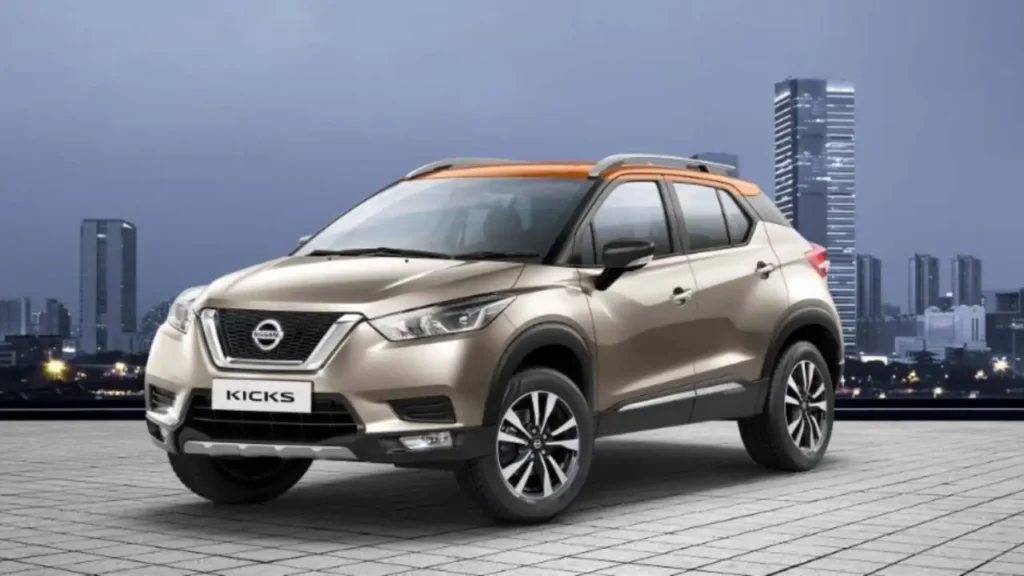
One of the primary reasons behind Nissan’s struggles in India’s compact SUV market is its relatively weak brand recognition in the SUV segment. While Nissan has a strong presence globally, it is still viewed as a relatively niche player in India’s SUV market. The brand’s past focus on sedans and hatchbacks, combined with limited models in the SUV category, has made it difficult for Nissan to build a strong reputation in this increasingly important segment.
In contrast, brands like Tata and Hyundai have successfully built a strong identity in the SUV space, with dedicated marketing campaigns, extensive showrooms, and a reputation for producing high-quality, reliable vehicles. Nissan, on the other hand, has not been able to establish such a connection with the Indian consumer, and this has impacted its competitiveness in the segment.
3. Pricing Strategy and Positioning
Nissan’s compact SUV, the Magnite, was launched at an aggressive price point to attract price-sensitive Indian buyers. While this pricing strategy initially sparked interest, it has faced limitations in terms of customer perception. Many buyers are skeptical about the long-term reliability and after-sales service of vehicles that are priced aggressively. In a price-sensitive market like India, consumers often equate lower pricing with compromised quality, which can be a major deterrent.
Additionally, while the Magnite offers competitive features, it struggles to match the comprehensive feature lists, refined designs, and overall brand appeal of its rivals. Buyers are increasingly looking for more than just an affordable SUV; they want a complete package that offers a great driving experience, modern technology, and high-quality finishes.
4. Limited Model Portfolio and Product Refreshes
Another factor contributing to Nissan’s struggles is its limited SUV portfolio and slow pace of product refreshes. Unlike its competitors, Nissan has not been able to expand its SUV lineup in India with the same level of consistency. While the Magnite is a key player in the compact SUV segment, it is the only model in the segment that Nissan offers, which limits consumer choice.
Furthermore, the lack of regular updates and refreshes to the Magnite has hindered its ability to maintain long-term interest in the market. In today’s competitive landscape, automakers must ensure that their products stay relevant and up to date with the latest trends, be it in terms of technology, safety features, or design. By not regularly updating the Magnite to keep pace with evolving consumer expectations, Nissan has left room for its competitors to swoop in with refreshed models that offer greater appeal.
5. Inadequate After-Sales Service and Customer Experience
After-sales service plays a pivotal role in the success of any automobile brand, particularly in a market like India, where a reliable service network is essential for building customer loyalty. Unfortunately, Nissan’s service network in India has not been able to match the scale and efficiency of its competitors, leading to dissatisfaction among customers. Limited service centers, along with concerns about spare parts availability and service quality, have contributed to the brand’s inability to cultivate long-term relationships with Indian buyers.
In contrast, brands like Hyundai, Kia, and Tata have invested heavily in their service infrastructure, ensuring that customers have access to timely support and service, which is crucial for maintaining brand loyalty. Without a robust after-sales service network, Nissan faces a significant hurdle in its quest to become a dominant player in the compact SUV segment.
6. Perception of Dated Designs and Features
The design of the Magnite, while initially eye-catching, has not evolved as quickly as some of its competitors. In a market that constantly demands modern designs and cutting-edge features, Nissan’s conservative approach to design updates has made the Magnite feel somewhat dated compared to more modern offerings in the segment. While the vehicle does offer a good number of features for its price point, it falls short in terms of refinement and overall premium feel, especially when compared to rivals in the compact SUV segment.
Moreover, the lack of features like advanced safety systems, larger infotainment screens, and improved cabin materials has kept the Magnite from feeling as advanced as some of its more popular competitors. As Indian consumers increasingly demand more from their vehicles, this gap in perceived value can significantly affect sales.
7. The Road Ahead for Nissan
To improve its standing in India’s compact SUV segment, Nissan needs to refine its strategy on multiple fronts. Firstly, expanding its product lineup would be a key step, as consumers are increasingly looking for a variety of options when it comes to SUVs. Introducing new models, along with regular updates to the Magnite, will help maintain consumer interest and prevent the model from feeling stagnant.
A more aggressive marketing strategy focused on building brand awareness and emphasizing Nissan’s global reputation for quality can also help in gaining consumer trust. Furthermore, Nissan must prioritize improving its after-sales service network to ensure that customers feel supported throughout the lifecycle of their vehicles.
Conclusion
Nissan’s struggles to compete in the compact SUV segment highlight the challenges of entering an already crowded and competitive market. Despite the Magnite’s potential and initial success, the brand has faced difficulties in overcoming the competition, addressing customer expectations, and establishing a strong brand presence. With a renewed focus on product expansion, design innovation, and improved customer service, Nissan can still carve a niche for itself in India’s dynamic SUV market. By adapting to the changing needs of consumers and staying competitive with the latest trends, Nissan has an opportunity to turn the tide and secure a stronger position in the future.